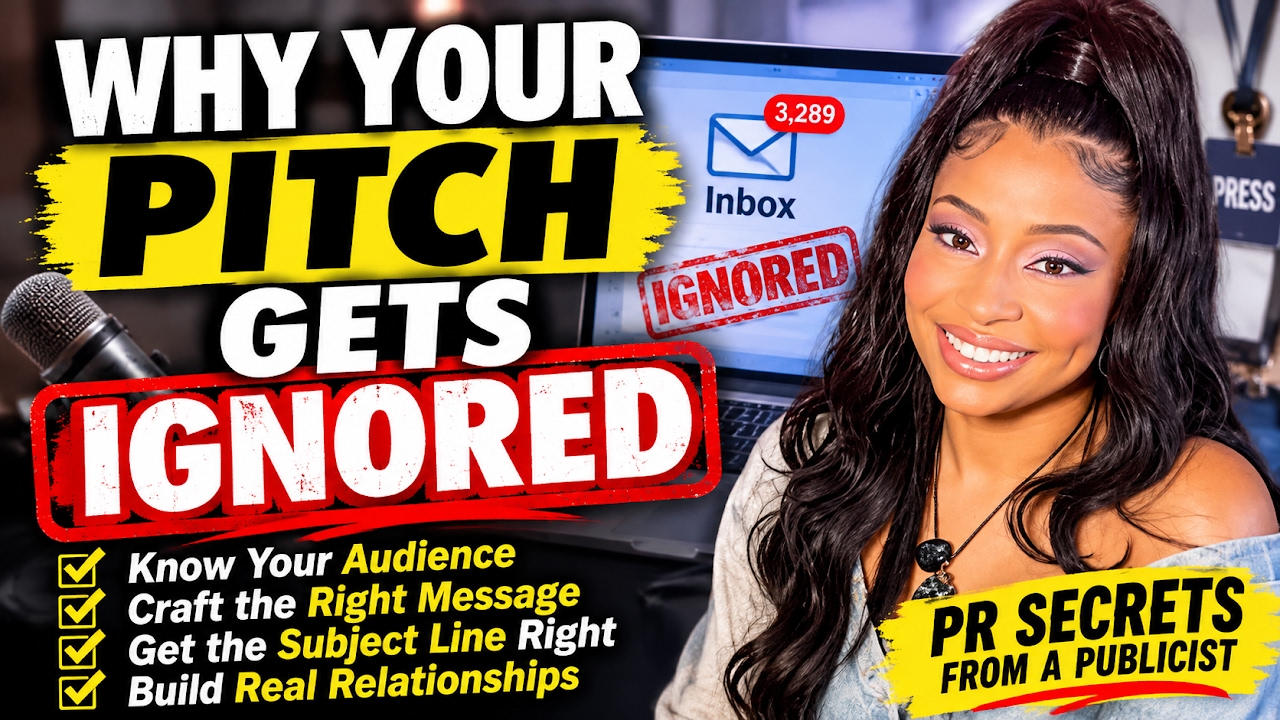

In this edition of The Industry Cosign’s “My Friends Are Better Than Yours,” the conversation focuses on the realities of public relations, media pitching, and professional communication. BIG CED praises The Legion Media Group’s Chanel Rae Herbert for managing many clients and publications, then emphasizes that effective pitching starts with researching the outlet, writer, or platform before reaching out. A pitch should fit naturally with what an outlet or journalist already covers—not force an unrelated client request onto them. This aligns with standard media-relations guidance: identify the right journalist, make the story relevant to their audience, and explain why it matters now.
Chanel also discusses the emotional side of PR work, especially handling rejection and high-volume inboxes. She explains that journalists and media contacts receive enormous numbers of emails, so clear subject lines, organized threads, and concise requests are essential. Clear, specific subject lines help recipients quickly understand an email’s purpose and decide whether to engage.
A major theme is mutual respect: publicists should understand that a “no” or no response is often about timing, capacity, or editorial fit—not personal disrespect. BIG CED says he tries to respond when possible because he recognizes the effort behind a pitch, but relationships and relevant content ultimately determine whether an ask succeeds. Researching the recipient and leading with a clear, relevant angle are repeatedly identified as best practices for getting a pitch noticed.
Topics discussed
-
Managing a large roster of clients, publications, and media relationships
-
The importance of researching an outlet, journalist, TV program, or platform before pitching
-
Matching a client or story to the actual editorial focus of a media outlet
-
Why irrelevant “blind pitches” frustrate writers and editors
-
Teaching interns to understand an outlet’s content before making a pitch
-
Client expectations versus what a media platform realistically covers
-
The pressure and persistence required to work in public relations
-
Handling rejection, unanswered emails, and clients’ disappointment
-
Managing thousands of daily emails and the importance of inbox efficiency
-
Why subject lines matter, especially for interview requests, invitations, and pitches
-
Keeping one topic per email thread rather than mixing multiple requests
-
Respecting a journalist’s time with quick, easy-to-read pitches
-
The value of a clear “pass” or rejection so a publicist can update the client
-
How existing relationships increase the likelihood of a response
-
Avoiding anger or entitlement after being told no
-
Understanding both sides: the publicist asking for coverage and the journalist managing editorial priorities
-
Knowing when a client is not ready for a particular media opportunity
-
Empathy, professionalism, and relationship-building as foundations of successful PR
Journalists vs Bad Pitches | Chanel Rae Herbert Explains