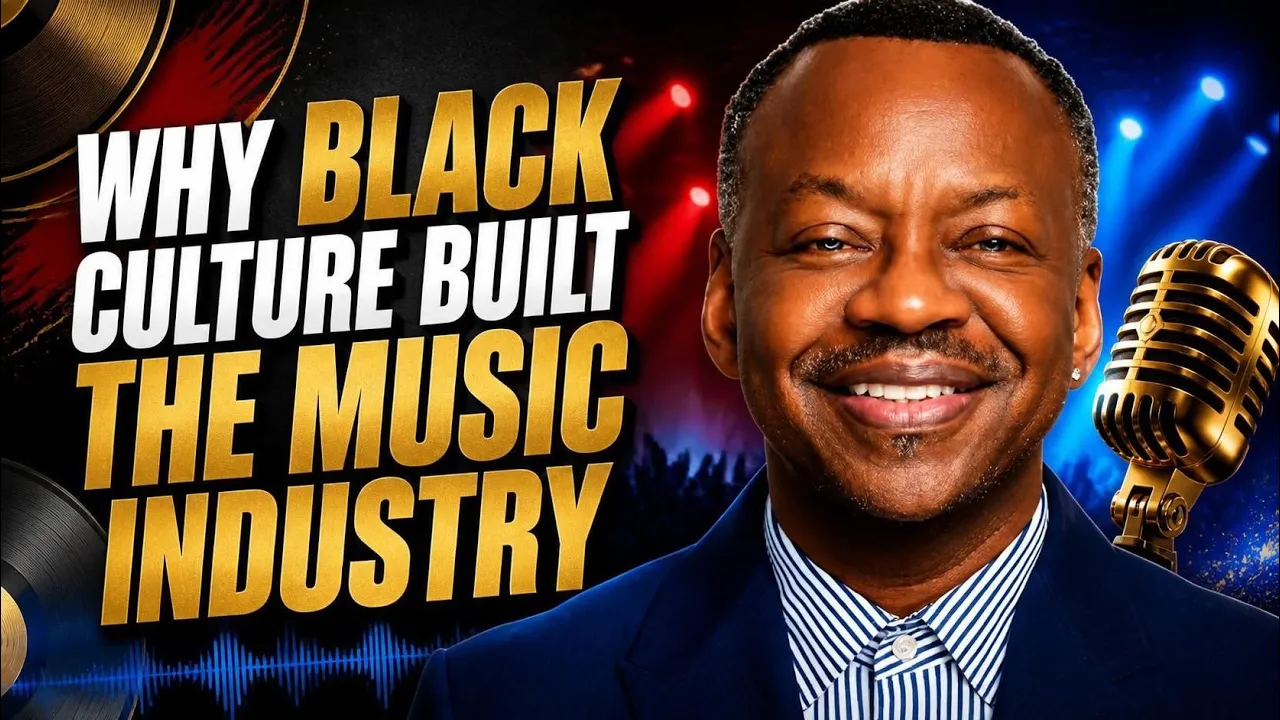

Entertainment attorney Bob Celestin explains how a Yale junior-year course on Black culture, taught by a white professor he describes as “the blackest white man” he’d ever met, transformed his understanding of Black creativity. The class used jazz and improvisation as metaphors for Black life and showed him why Black people create lasting culture, not fads. That insight helped him grasp hip-hop’s emerging improvisational spirit.
After interning at WBLS during the Frankie Crocker era and meeting Mr. Magic as he began playing hip-hop, Bob chose law school (Columbia) specifically as a pathway into the music industry—the one business whose product is still primarily created by Black people. His goal has always been to protect the artists and culture that have shaped the world.
He says most of his clients are people of color (many of them young) who specifically want a Black attorney, and he takes pride in that. He never married or had children, remaining focused on the work, and says he has no regrets. He is continually impressed by the success of young artists who lacked the advantages he had (a two-parent household, a strong education).
In our conversation, we discuss why so much of the most powerful creativity in Black culture—across music, sports, and entertainment—seems to emerge from struggle. The speaker traces it to history: under slavery, singing and oral tradition were the primary outlets for expression and relief; language and improvisation became central; and art (drums, hymns, music) was one of the few non-threatening forms of self-expression allowed. That same impulse to turn pain and restriction into art, he argues, continues today.
Topics discussed:
- Eye-opening Yale course on Black culture and its impact on understanding jazz, improvisation, and hip-hop
- Early exposure to hip-hop radio (WBLS, Frankie Crocker, Mr. Magic)
- Choosing law as a deliberate “means to an end” to enter and protect the music industry
- Motivation: safeguarding Black-created art and culture that influences the world
- Client base (mostly young artists of color who seek a Black attorney)
- Personal focus on career over marriage/children, with no regrets
- Working with young artists who succeed despite fewer structural advantages
- Historical roots of Black creativity in struggle (slavery, oral tradition, restricted expression, music as solace and resistance)